Rooted From Within: How Your Pelvic Floor & Root Chakra Shape Whole‑Body Stability
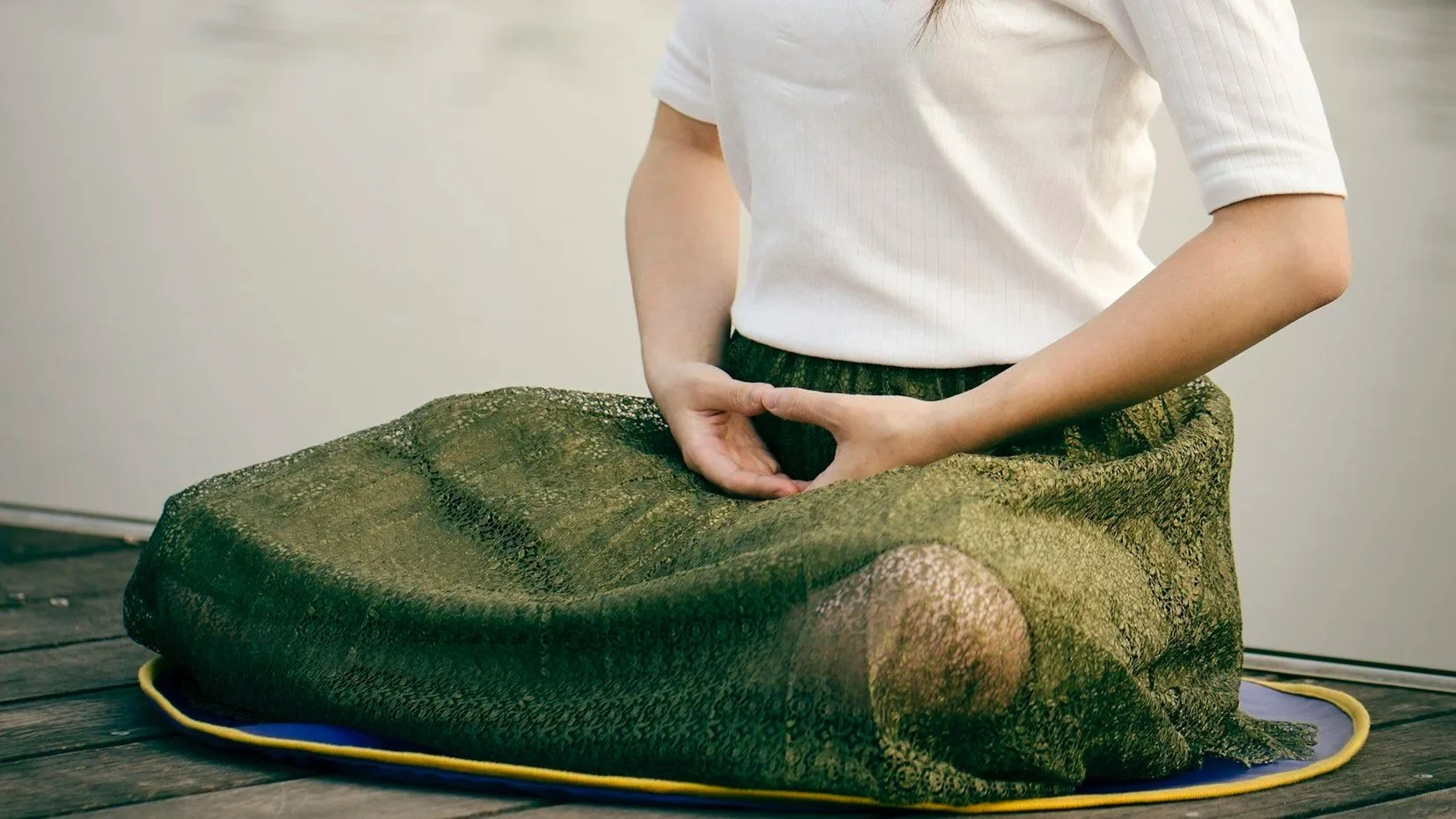
In yoga and Ayurveda, true strength begins at the base — in the root chakra (Muladhara) and the pelvic floor. One is energetic, the other anatomical, yet both shape how grounded, stable, and supported we feel in our bodies and in our lives.
Your Root Chakra: The Energetic Foundation
Located at the base of the spine, the root chakra governs:
Safety
Groundedness
Belonging
Connection to the earth
When this chakra is balanced, we feel steady and rooted. When it’s imbalanced, we may feel anxious, disconnected, or ungrounded — sensations that often arise during stress, hormonal shifts, or major life transitions.
Your Pelvic Floor: The Anatomical Foundation
The pelvic floor is a group of muscles forming a supportive hammock for the bladder, reproductive organs, and rectum. These muscles:
Stabilize the spine and hips
Coordinate with the diaphragm and deep core
Influence urinary, bowel, and sexual function
Respond to breath, posture, and stress
Just like the root chakra, the pelvic floor reflects how safe and supported we feel in our bodies.
Where Yoga Brings the Two Together
Yoga offers a bridge between energy and anatomy — helping us reconnect to the pelvis with awareness, compassion, and breath.
Breath as the Gateway
The diaphragm and pelvic floor move together:
Inhale → the pelvic floor expands
Exhale → it recoils and lifts
This rhythm mirrors the grounding–rising energy of Muladhara and helps release unnecessary tension.
Grounding Poses for Stability
Poses that activate both the root chakra and pelvic floor include:
Mountain Pose
Malasana (yogi squat)
Bridge Pose
Child’s Pose
Warrior II
These shapes cultivate steadiness, presence, and a sense of rootedness.
Release Before Strength
A healthy pelvic floor is responsive — not tight, not weak.
It can:
Release
Engage
Coordinate with breath
Yoga helps us feel the difference between gripping, collapsing, and true functional support.
Why This Matters for Women 45+
During perimenopause and menopause, hormonal shifts can affect:
Pelvic floor tone
Bladder control
Core stability
Emotional grounding
Integrating root chakra practices with pelvic floor awareness gives women a holistic toolkit for navigating this stage with strength and confidence.
And Yes — Men Have a Pelvic Floor Too
Pelvic floor health is not just a women’s issue. Men rely on these muscles for:
Bladder control
Bowel function
Sexual health (erections + ejaculation)
Core stability
Lower back comfort
Just like women, men can experience weakness, over‑tightening, or dysfunction — often without realizing the pelvic floor is involved. Yoga and breathwork help men reconnect to this area, reduce tension, and build functional strength.
A Rooted, Empowered Foundation for All
When we reconnect with our foundation — both energetic and anatomical — we reclaim a sense of steadiness that radiates into every part of life. This is more than exercise. It’s a return to your center, your confidence, and your belonging.
